


When the Build Begins: Critical Decisions During Your Home Extension
/Introduction
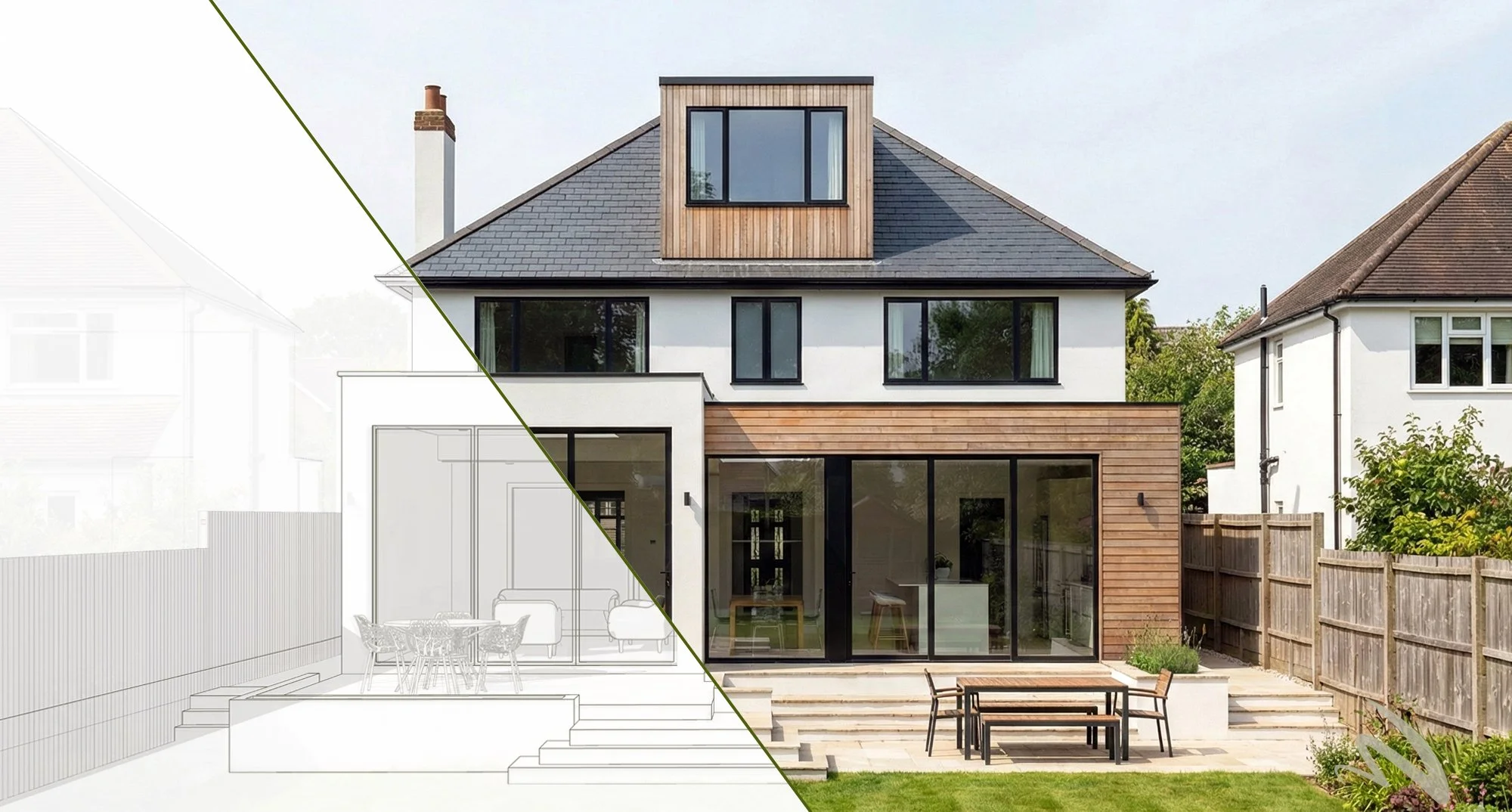
Starting a home extension is an exciting milestone the moment drawings begin to translate into physical space. But once work begins onsite, the pace of decision-making increases significantly.
Many of the most important choices aren’t just about design preference they are tied to timing, coordination, and practical constraints. Making the right decisions at the right time can be the difference between a smooth build and costly delays.
In our experience, the most critical elements tend to share one or more of the following characteristics:
They have long lead times
They are essential to making the building weather-tight
They involve third-party suppliers or specialist trades
Understanding this early helps you prioritise where to focus your attention.
In this article, we’ll cover:
What to consider before the project starts onsite
The key items that require early planning
How to manage decisions during construction
Common pitfalls to look out for
A summary of best practices
Before the Project Starts Onsite
The more decisions you can make before construction begins, the better positioned you’ll be for a smooth build. This doesn’t necessarily mean finalising every single product, but having clarity on design intent, specifications, and preferred suppliers is incredibly valuable.
In reality, some decisions naturally evolve during the build particularly where spatial experience matters, or where timelines are tight. However, the “big ticket” items especially those outside of your main contractor’s direct control should ideally be resolved early.
At the very least, you should aim to:
Define the design direction and level of specification
Shortlist preferred suppliers or products
Understand budget ranges and allowances
When speaking to suppliers, it’s important to go beyond just price and appearance. The following questions are essential:
What is the lead time for both product supply and installation?
Is a site survey required before manufacturing?
At what stage of the build do you need the site to be ready for this survey?
Are there any site constraints, such as access requirements or specialist lifting equipment?
These conversations often reveal hidden dependencies for example, needing structural openings complete before surveys can happen, or requiring crane access that must be planned weeks in advance.
Ultimately, early engagement reduces uncertainty. Even if final decisions aren’t locked in, having a clear roadmap allows the project to move forward without unnecessary pauses.
What are the big items that need initial planning for?

Glazing and external openings
Large glazing systems, sliding doors, and bespoke windows often have long lead times and are critical to making the building watertight. One of the key aims of most projects is to get the structural openings ready for survey as early as possible, allowing sufficient time for manufacture and installation.
It is also important to consider how windows and doors integrate with both the external and internal finishes. From the choice of cladding system to brick coursing and internal reveals, these details should be coordinated early to avoid compromises later onsite.

Kitchens and built-in joinery
Kitchens and bespoke joinery are highly design-led and involve multiple decisions from layout and finishes to appliances and storage solutions many of which can carry long manufacturing lead times.
It is equally important to understand where key services are required. Water supply, drainage, extraction, lighting, and power locations are often installed months before the kitchen itself arrives onsite, meaning early coordination is essential.
Flooring finishes and any special requirements for sub structure
Understanding the proposed floor finish early in the project is extremely important, as specialist finishes often require specific subfloor build-ups or screed specifications.
One commonly overlooked aspect is floor thickness and how this impacts thresholds, door heights, stair levels, and overall setting out. Resolving these relationships early helps avoid awkward transitions and unnecessary adjustments later in the build.

Mechanical and electrical systems
Underfloor heating, ventilation systems, and lighting schemes all require early coordination to avoid clashes with the structure and to ensure systems are properly integrated. A common example is the coordination of ductwork and pipework around structural beams or ceiling zones.
Where concealed ventilation or flush lighting details are desired, ceiling voids or localised bulkheads may need to be incorporated into the design from the outset. Certain lighting systems and smart home installations may also require accessible locations for drivers, transformers, and control equipment.
Specialist finishes
Items such as polished concrete floors, specialist plaster finishes, bespoke staircases, or custom metalwork often involve third-party trades with specific sequencing and installation requirements. These elements typically require close coordination between suppliers, contractors, and the design team to ensure quality and programme alignment.
The key is recognising that many of these elements sit outside the standard workflow of the main contractor. They require proactive coordination, early decision-making, and a clear understanding of how different trades and suppliers interact throughout the build process.
How to manage the decisions while the project is onsite
Once construction begins, decisions come faster and often with less time to deliberate. Having a structured approach helps maintain control.
Stay ahead of the programme
Work closely with your contractor or designer to understand what decisions are coming up in the next 2–4 weeks. This gives you time to review options without pressure.
Prioritise critical path items
Not all decisions carry equal weight. Focus first on items that affect structure, weatherproofing, or sequencing. Finishes can often follow later.
Keep information organised
Maintain a clear record of specifications, drawings, and supplier communications. This reduces confusion and ensures everyone is working from the same information.
Limit late changes
Changes during construction can be costly and disruptive. Where possible, avoid revisiting earlier decisions unless absolutely necessary.
Lean on your design team
Your architect or designer plays a key role in guiding decisions, coordinating information, and ensuring the original vision is maintained throughout the build.
Key things to look out for
Even with careful planning, there are common challenges that arise during construction:
Lead time surprises
Products may take longer than expected, especially if they are bespoke or imported. Always build in contingency.
Coordination gaps
Misalignment between trades or suppliers can lead to delays or rework particularly where responsibilities overlap.
Access constraints
Urban sites or tight plots can limit delivery options, requiring additional planning for lifting or storage.
Decision fatigue
The volume of choices can become overwhelming. Having a clear framework and trusted guidance helps reduce stress.
Budget creep
Small upgrades and incremental changes can quickly add up. Keep track of costs as decisions are made.
Summary
A successful home extension is as much about decision-making and timing as it is about design.
By identifying key items early, engaging with suppliers in advance, and staying ahead of the construction programme, you can avoid many of the common pitfalls that cause delays and added costs.
While it’s not always possible to finalise everything before work begins, having clarity around the most critical elements particularly those with long lead times or external dependencies will give your project the best chance of running smoothly.
Ultimately, thoughtful preparation allows the build phase to be what it should be: a rewarding process where your design comes to life with confidence and clarity.