

Exploring a Piggyback Loft Conversion
/Loft conversions have long been a popular way to unlock additional space in period homes, particularly across London’s Victorian housing stock. Among the various approaches available, the piggyback loft conversion stands out as a clever and sensitive solution for creating generous, light-filled accommodation while respecting the original character of the building and the wider street context.
What is a Piggyback Loft Conversion
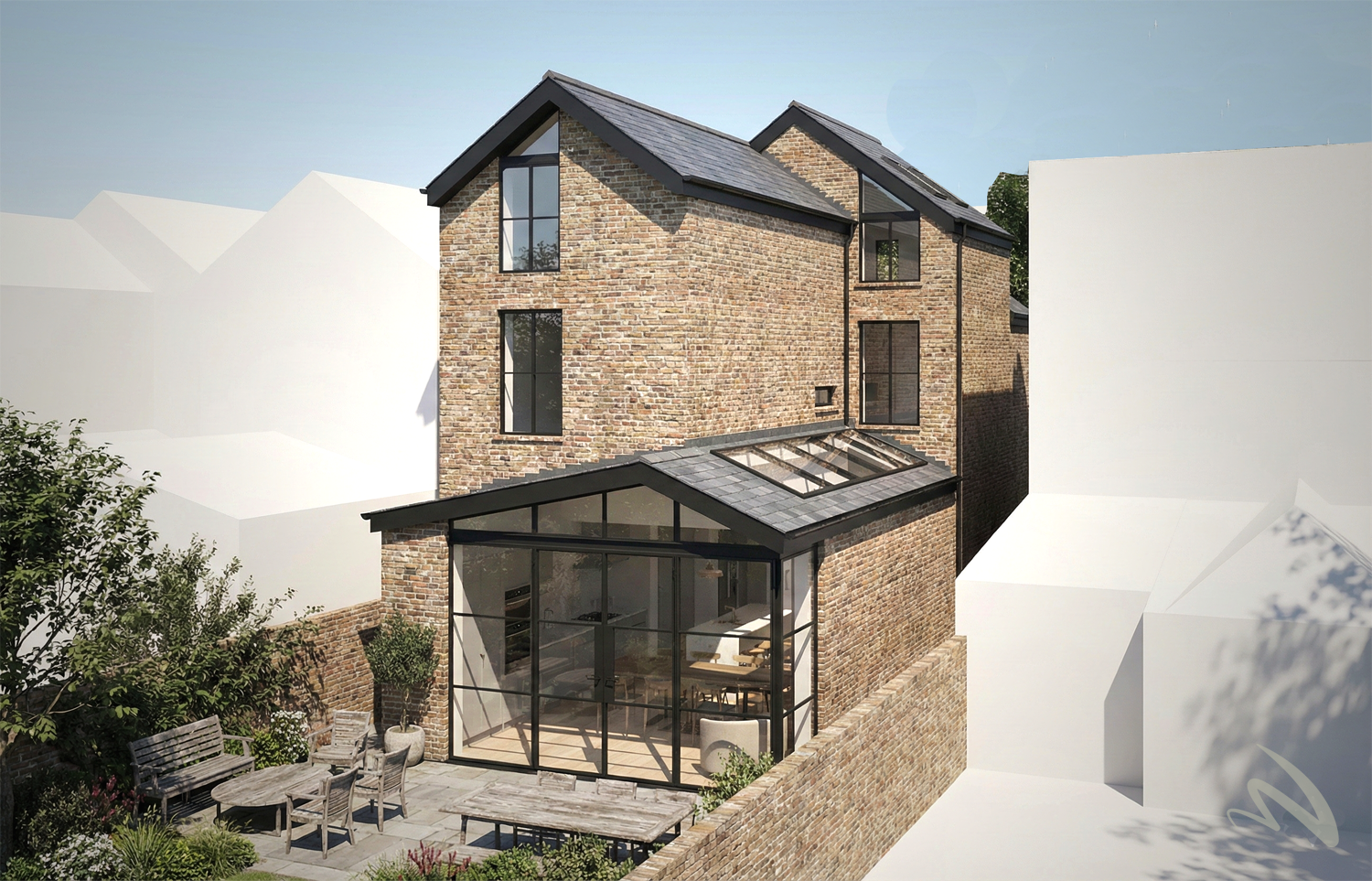
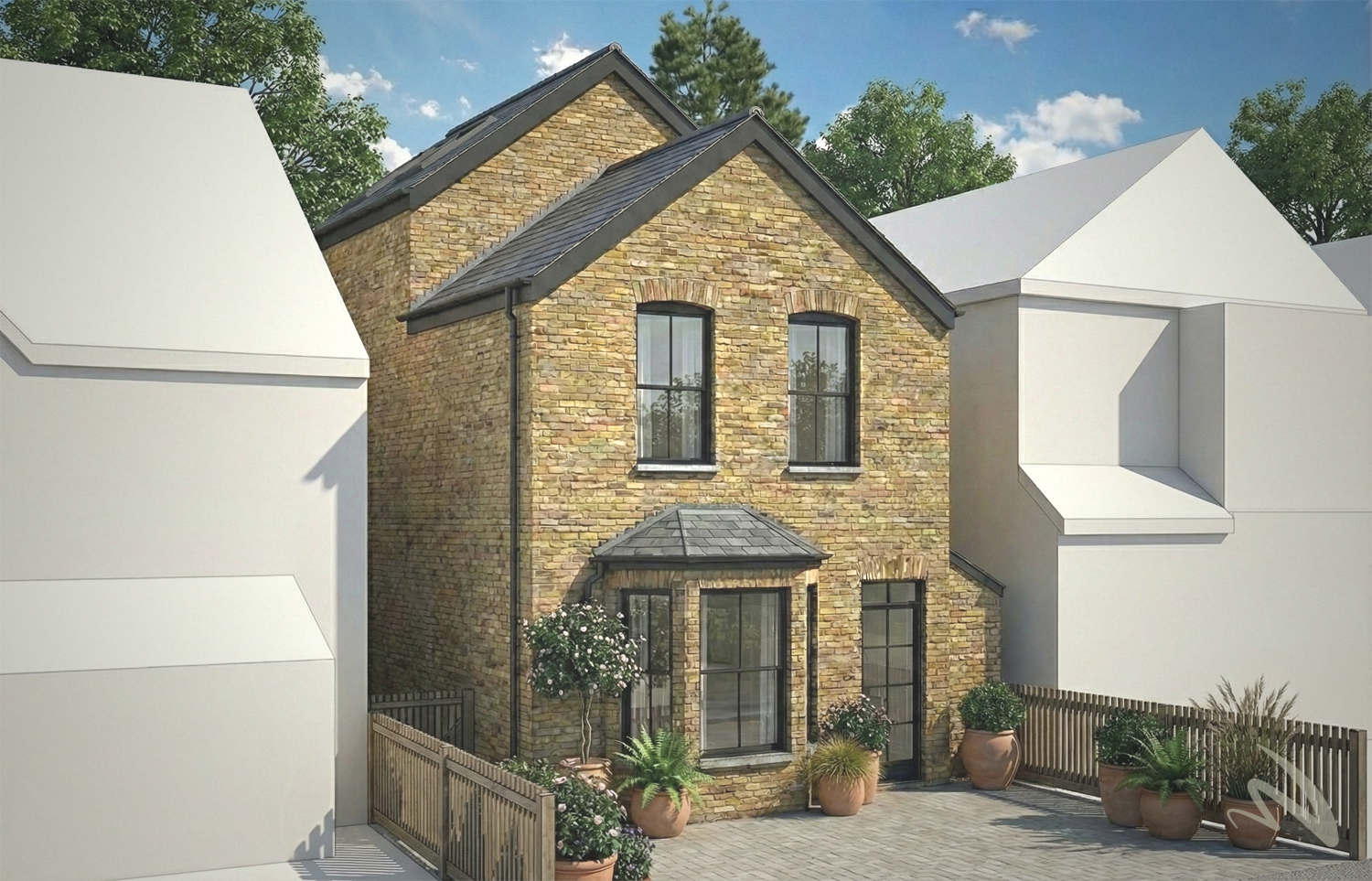
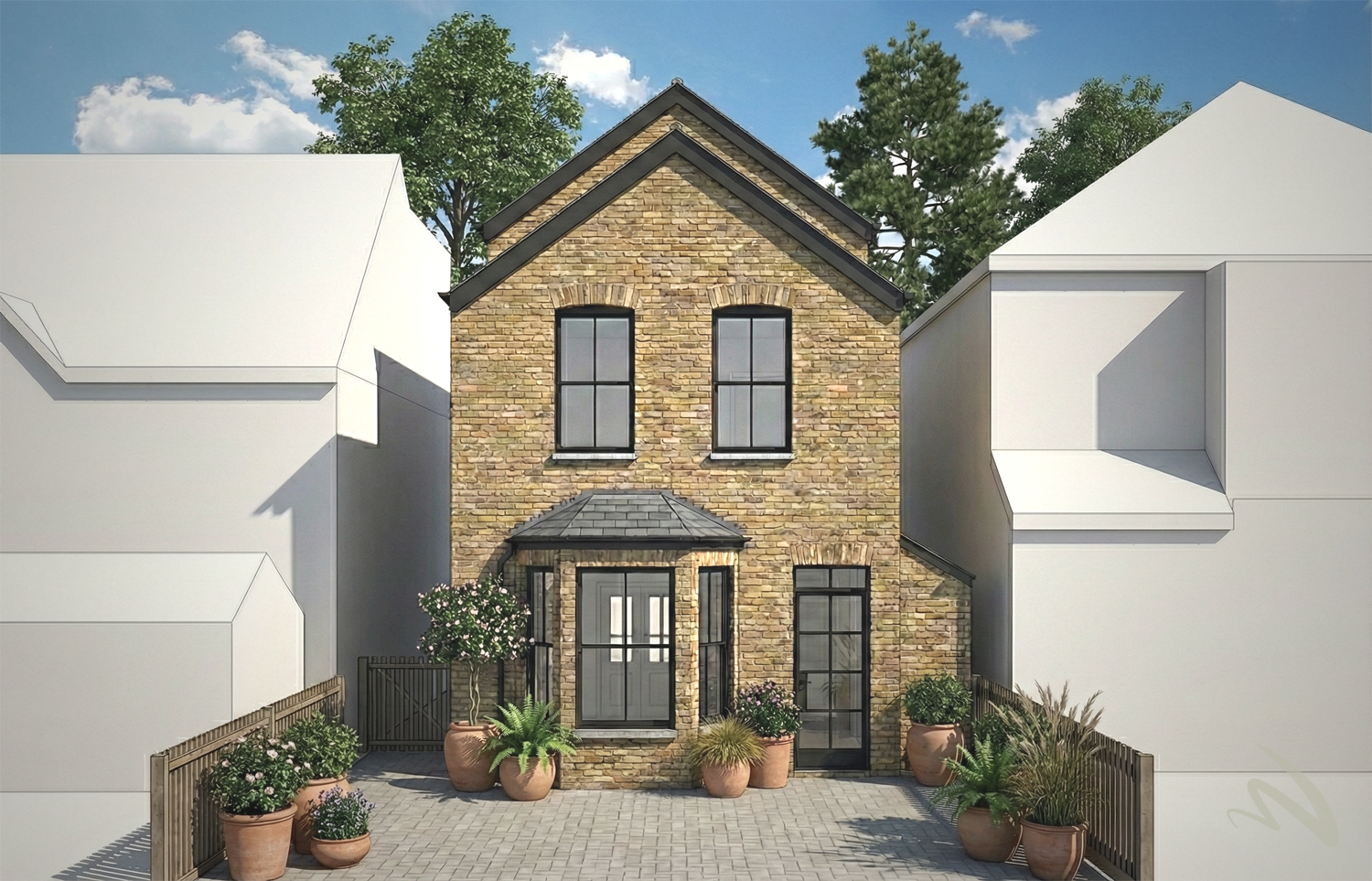
A piggyback loft conversion typically involves the partial replacement of an existing pitched roof, most commonly found on traditional Victorian properties. Rather than simply inserting rooms within the existing roof volume, this approach raises the perimeter walls by approximately 1.3 metres before constructing a new pitched roof on top.
To minimise the visual impact, the new roof addition is often set back from the front façade. This ensures the original proportions and rhythm of the street are maintained, an important consideration in conservation areas and established residential neighbourhoods.
By effectively “lifting” the roof, the piggyback approach creates significantly more head height than a conventional loft conversion, resulting in a far more practical and comfortable habitable space.
Exploring the Design & Form
Successful piggyback loft conversions rely on a carefully considered design approach. The relationship between the existing building and the new addition is critical; materials, roof pitch, window proportions and strategic setbacks all play an important role in ensuring the extension feels integrated rather than imposed.
Externally, a well-designed piggyback conversion respects the original roofscape while subtly redefining it, often stepping back from the front elevation to preserve the character and rhythm of the street.
Internally, the increased volume unlocks far greater spatial potential. The additional head height allows for more ambitious and flexible layouts, accommodating master bedroom suites, home offices or adaptable loft rooms that can evolve as family needs change over time.
Planning Routes
As a piggyback loft conversion involves altering the existing roof form, it will typically require full planning permission, unlike more straightforward loft conversions that may fall under permitted development rights. Early engagement with an architect is therefore essential, helping to navigate local planning policies and shape a proposal that responds sensitively to both the building and its wider context.
Careful consideration must also be given to the impact on neighbouring properties, street character and conservation requirements where applicable. A well-justified design, supported by clear drawings and precedent, can significantly improve the likelihood of a successful planning outcome.
From a technical perspective, structural considerations are fundamental. Raising the perimeter walls and reconstructing the roof demands close coordination between architectural design, structural engineering and construction methodology to ensure the project is delivered safely, efficiently and with minimal disruption.
Thinking about extending upwards?
A piggyback loft conversion can offer a practical and elegant solution for creating more space without compromising the character of your home. Get in touch to explore what’s possible call us on 020 7095 8833 or email hello@modelprojects.co.uk to see how thoughtful design can unlock the full potential of your roof.